
26 November 2026 · Day 2 of the 16 Days of Activism · Trans Youth Initiative-Uganda
Abuse does not always leave a mark that others can see. Sometimes it sounds like a threat to tell someone’s family who they are, a demand for their earnings, or a warning about what will happen if they see their friends. These forms of abuse can become part of daily life and still go unnoticed by people around the survivor. Recognising them is where protection begins.
Today is Day 2 of the 16 Days of Activism Against Gender-Based Violence. This year’s global call is to ensure justice, protect survivors and end impunity. None of that can start until someone, whether a friend, a health worker, a neighbour or the person themselves, can name what is happening. Here are three common signs.
Threatening to reveal someone’s gender identity
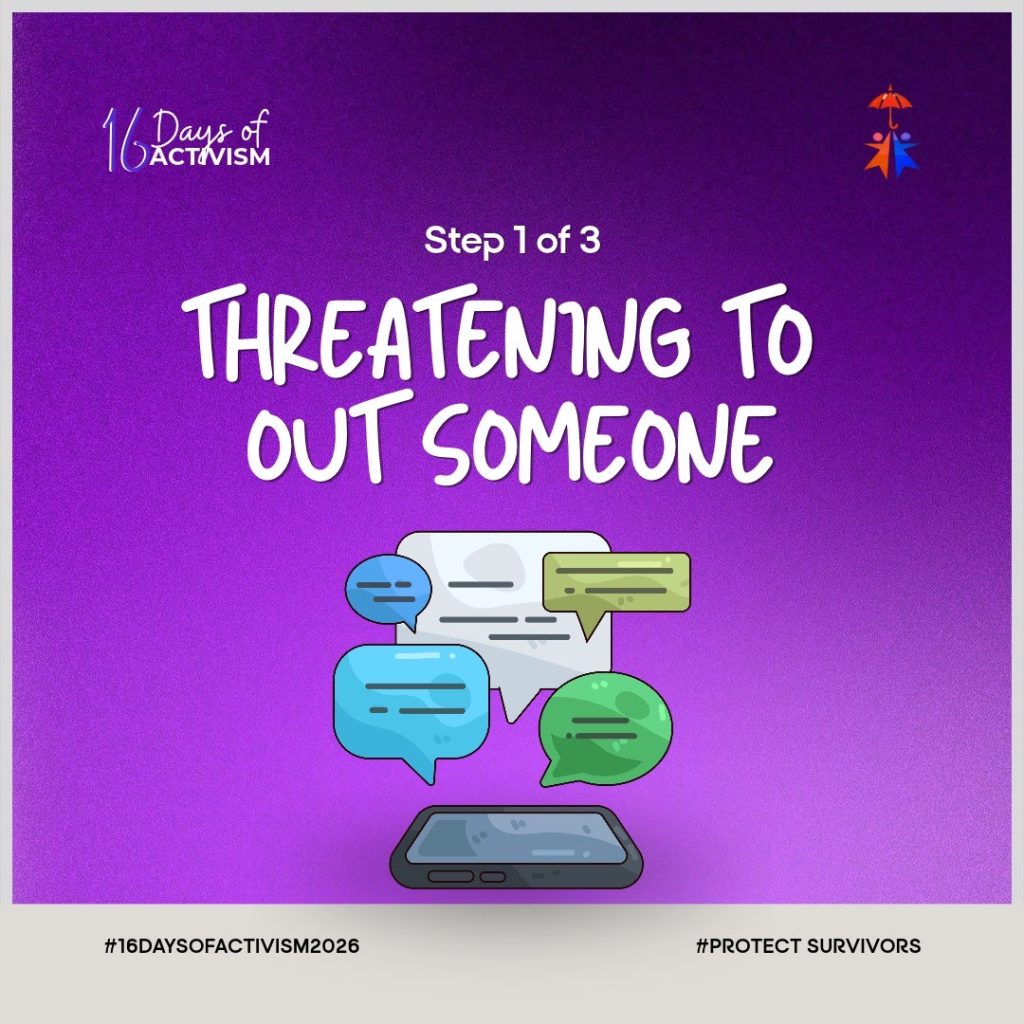
“I’ll tell your family you’re trans if you leave.” A threat like this uses fear of rejection, eviction or violence to keep someone in a relationship or keep them silent. Outing someone is not a private disagreement. It is a way of controlling them, and it can put them at real risk.
Controlling someone’s money
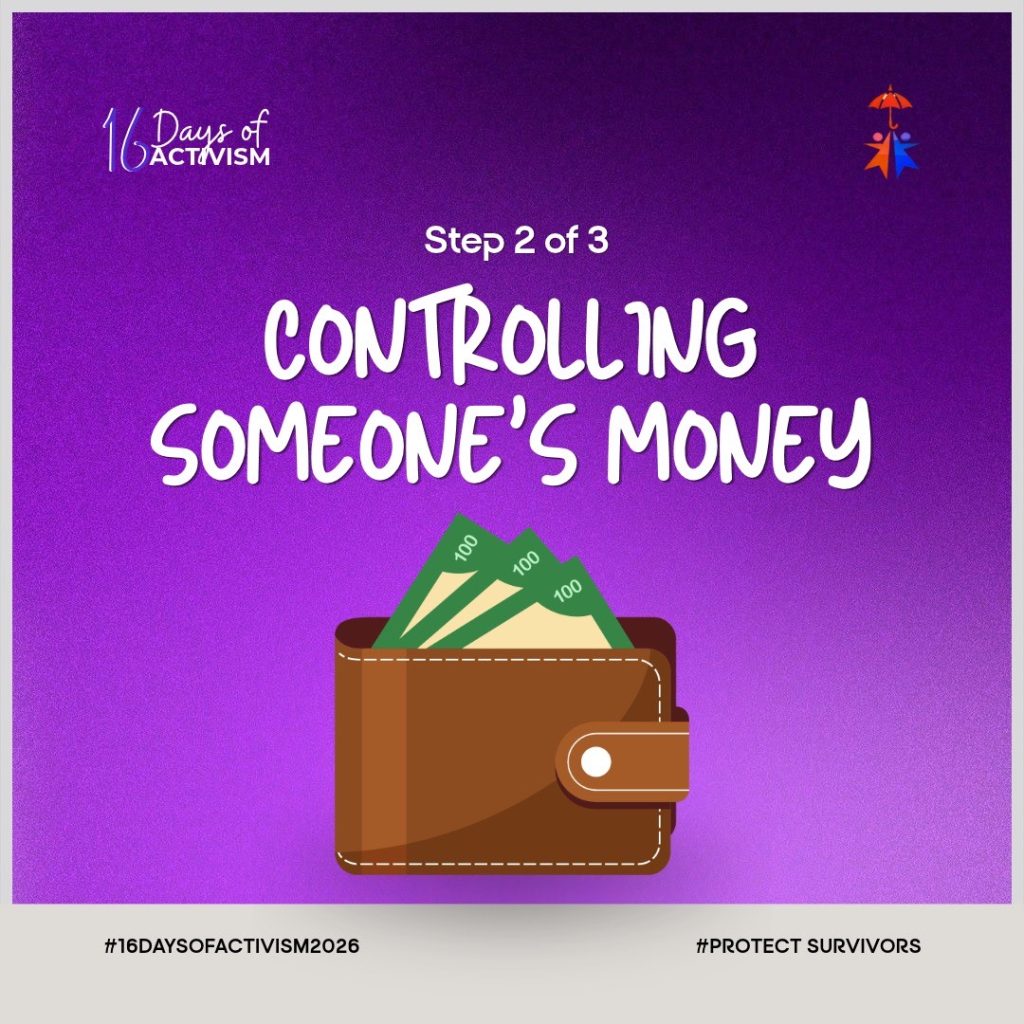
“Give me your earnings.” Taking a partner’s income, blocking their access to money or interfering with their work leaves them with fewer ways to leave or to ask for help. This is economic abuse, and it often goes unrecognised because it can look like an ordinary household arrangement.
Using fear to isolate someone
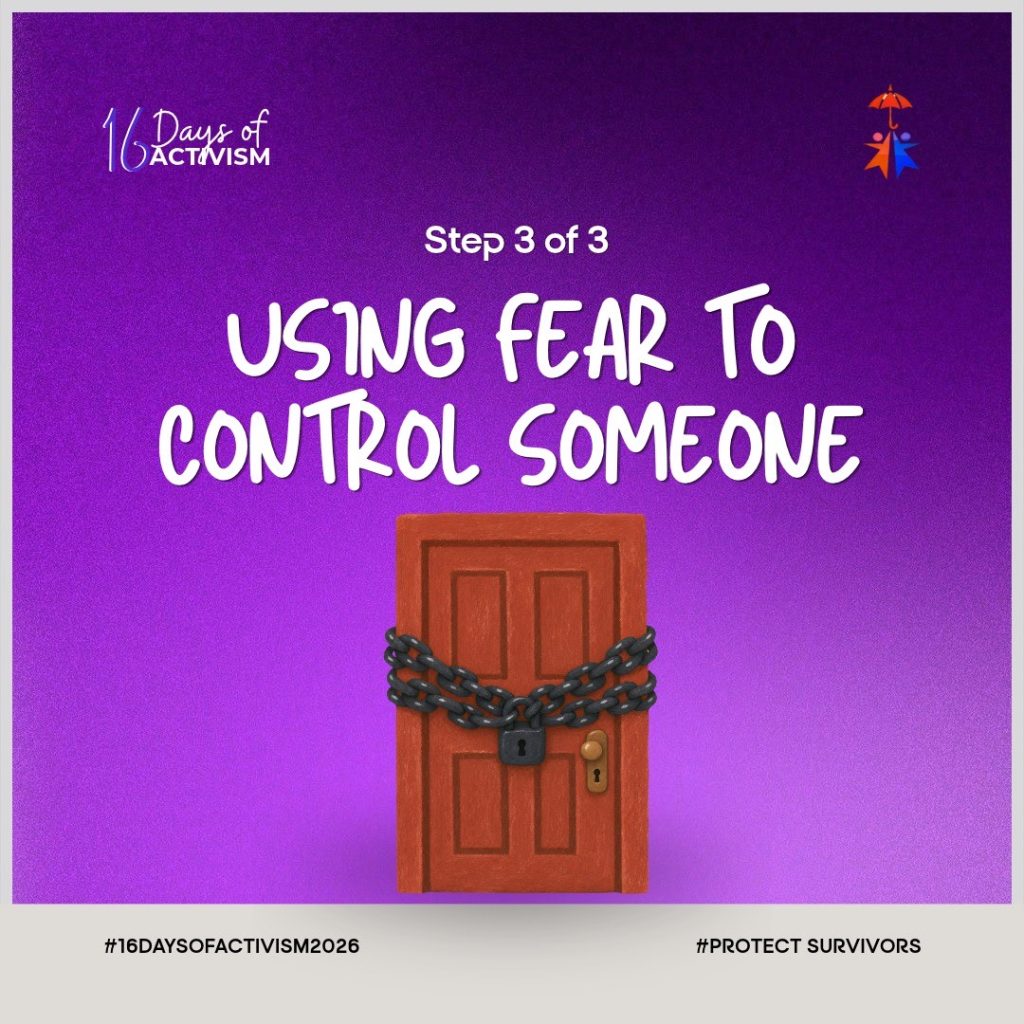
“If you see your friends again, you’ll regret it.” Cutting someone off from friends, family or peers removes the people who might notice that something is wrong. Isolation makes every other form of abuse harder to escape.
Why this matters in rural communities
For trans women and gender-diverse people in rural communities, threats like these can make it harder to reach the people they trust. Support may be far away, travel costs money that someone no longer controls, and fear of being outed can stop a person from asking for help at all. Protection and justice have to reach people wherever they live.
If someone tells you this is happening
Take them seriously. Listen, and ask what support they want. Get their permission before you share what they have told you or involve anyone else. Don’t pressure them to report, leave, or explain themselves. They know their situation and their risks best.
If this is happening to you
If it’s safe for you to call, reach the TYI-Uganda hotline on +256 39 4809234. Share only what you’re comfortable sharing.
Tomorrow, on Day 3, we look at what to say when someone tells you they have experienced violence. Follow TYI-Uganda throughout the campaign and share the posts using #SafetyIsOurRight, #16DaysOfActivism, and #16Days.