25 November 2026 · Trans Youth Initiative-Uganda
A person should be able to walk into a clinic without wondering who will hear what they tell a nurse. They should be able to ask for help after violence without being pressured to report it or explain their identity. And when they raise a concern, they should know who will respond and what happens next.
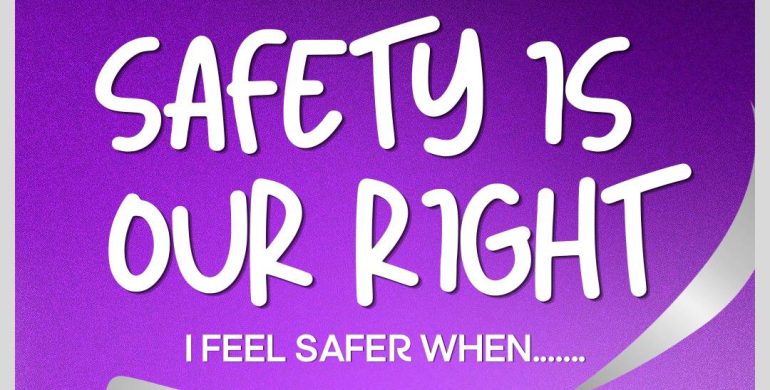
That is what we mean by Safety Is Our Right. Today, on the International Day for the Elimination of Violence Against Women, Trans Youth Initiative-Uganda is launching our campaign for the 16 Days of Activism Against Gender-Based Violence. From 25 November to Human Rights Day on 10 December, we’ll focus on what it takes for transgender and gender-diverse young people in western Uganda to live free from violence and get support when they need it.
The 2026 UNiTE campaign to end violence against women and girls calls for action on three fronts: ensure justice, protect survivors and end impunity. We’re bringing those commitments into the places where people make decisions about their safety every day: at home, at work, in clinics and in the group chats they rely on to stay connected. For people who do choose to seek justice, the process should be safe, confidential and free from discrimination. Read the 2026 UNiTE campaign concept note (PDF).
Recognising violence in everyday life
Violence can involve a partner taking someone’s earnings, a threat to reveal their gender identity, or a private image being passed around a group chat. For someone in a rural community, seeking help can also mean paying for transport they can barely afford or trying to find somewhere private to make a call. Those barriers shape whether people can reach support and whether they feel safe using it again.
That is why this campaign will look at how different services respond. On World AIDS Day, we’ll ask health providers to protect patients’ privacy at reception, during consultations and when making referrals. On the International Day of Persons with Disabilities, we’ll ask support organisations whether people can contact them by text, request information in an accessible format or choose whether to bring someone they trust. We’ll also speak about the right of sex workers to receive respectful support after violence and make their own decisions about what happens next.
What we’re asking communities and institutions to do
If someone tells you they’ve experienced violence, start by listening. “I believe you. What would help right now?” is a good place to begin. Ask before contacting anyone else or sharing what they’ve told you. If you witness harassment, check in privately and follow the person’s lead. If abuse happens in a group chat you manage, remove harmful posts and stop private information from being circulated further.
Clinics and partner organisations can make a change people can see and use. Identify who receives confidential complaints, explain how to reach them, and set a date to review whether the process is working. Ask the people who use your services what would make it easier to raise a concern. On Human Rights Day, we’ll close the campaign by calling on organisations to follow through on their commitments beyond the 16 Days.
Tell us what helps you feel safer
If you’d like to take part, send TYI-Uganda a private message on social media completing one sentence.
“I feel safer when…”
You can name something that already helps or one change you’d like to see. One line is enough. Share only what you’re comfortable sharing and leave out names, locations and other identifying details.
Follow TYI-Uganda throughout the campaign and share the posts using #SafetyIsOurRight, #16DaysOfActivism and #16Days.